An open house in Val Sangone
In Coazze, between the village and the woods: a bed, a kitchen, a building site — and someone to share them with.

A house is not a house if it stays empty. You can renovate it, whitewash it, even give it a poetic name. But if nobody cooks pasta there at two in the morning, if nobody sleeps there — neither a friend fleeing the city nor someone looking for wifi and silence — then no: it is not yet a house. A house too big to stay empty is like a beautiful notebook you are afraid to spoil by writing in. Yet it must be written in, lived in, shared.
CaRina does not want to become yet another Instagram farmhouse with no real life. We want to bring it to life: with those who need a place for a night, those who work remotely, those who cook for themselves and then stay to chat. But also with groups and associations looking for a space for a week of work together, or with hikers heading for the mountains of the valley.
People who arrive do not find a finished service: they find a house under construction. You stay a few days or a few weeks, you lend a hand on site or in the garden, you bring what you know how to do, you cook together. Hospitality here is an exchange of presence — not a tourist package.
Voices from the house

Claudio
I'm fascinated by the idea of a vital, co-managed space. A place that does not belong to any one person alone, but takes shape over time through the gestures, the presences, the hands of those who pass through it.
CaRina is born from this: from the dream of an open house — lived in, inhabited — marked by the gestures of those who pass through and leave a story behind.

Monica
In a house meant to be shared I look for authenticity, silence, harmony with nature. I need time to be alone, yet I am enriched by the presence of others: people with whom to share intellectual pleasure, the sacredness of food, genuine laughter, the arcane knowledge of buried times — inexplicable yet present.
And to dance the dance of the body as it becomes flesh.

Libero
The idea is beautiful. I can't wait to meet new people — I hope they're nice.
September 2026 — Self-build workshop
In September CaRina hosts a work camp with middle-school students: three days in the woods building a permanent tree house. Hands on timber, a real project, a result that stays.
Discover the workshop Discover the campSite photos
Visit the photo gallery to get a clearer sense of what happens in CaRina's spaces.
View the imagesCaRina journey: renovation phases
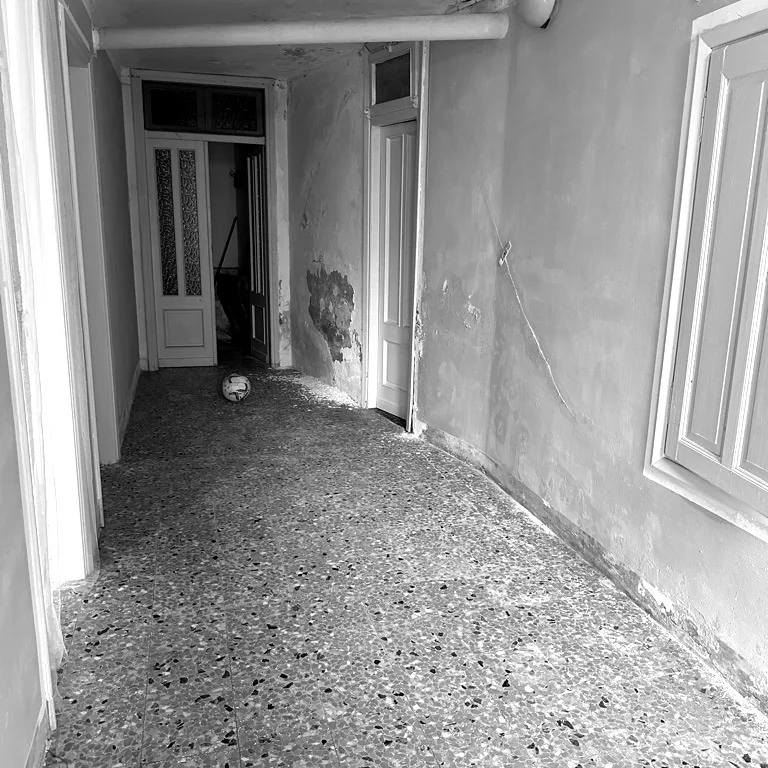
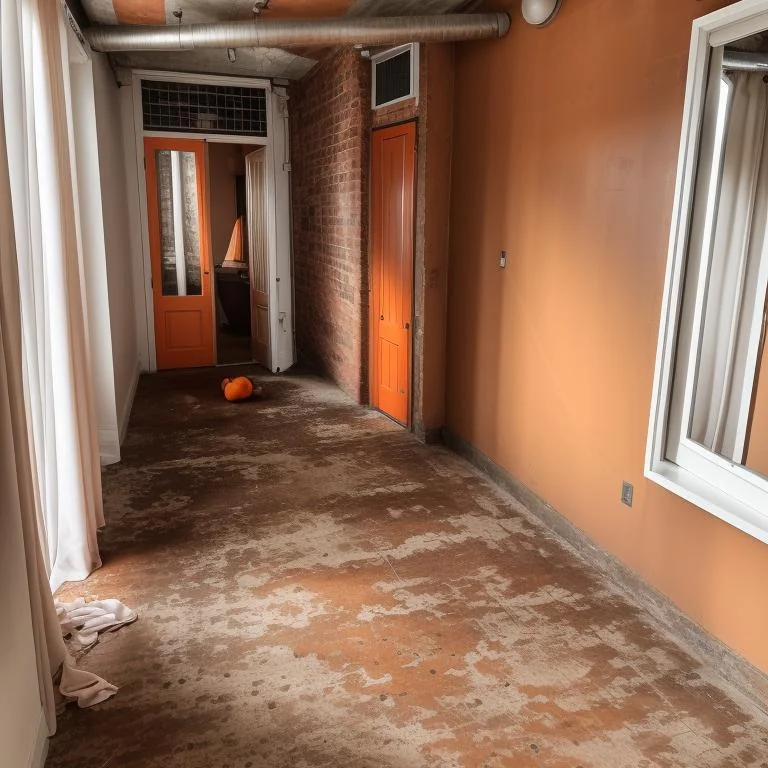
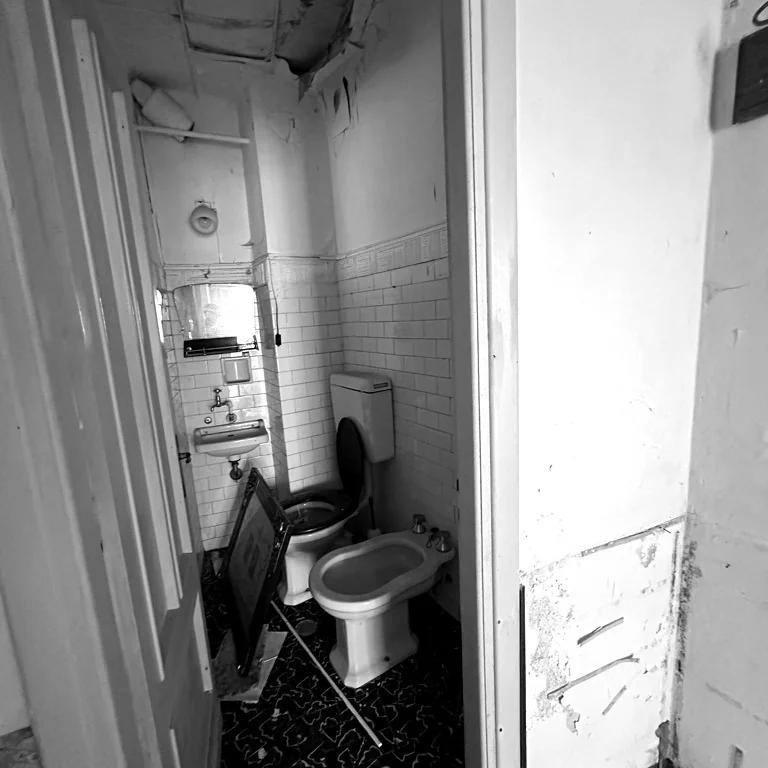
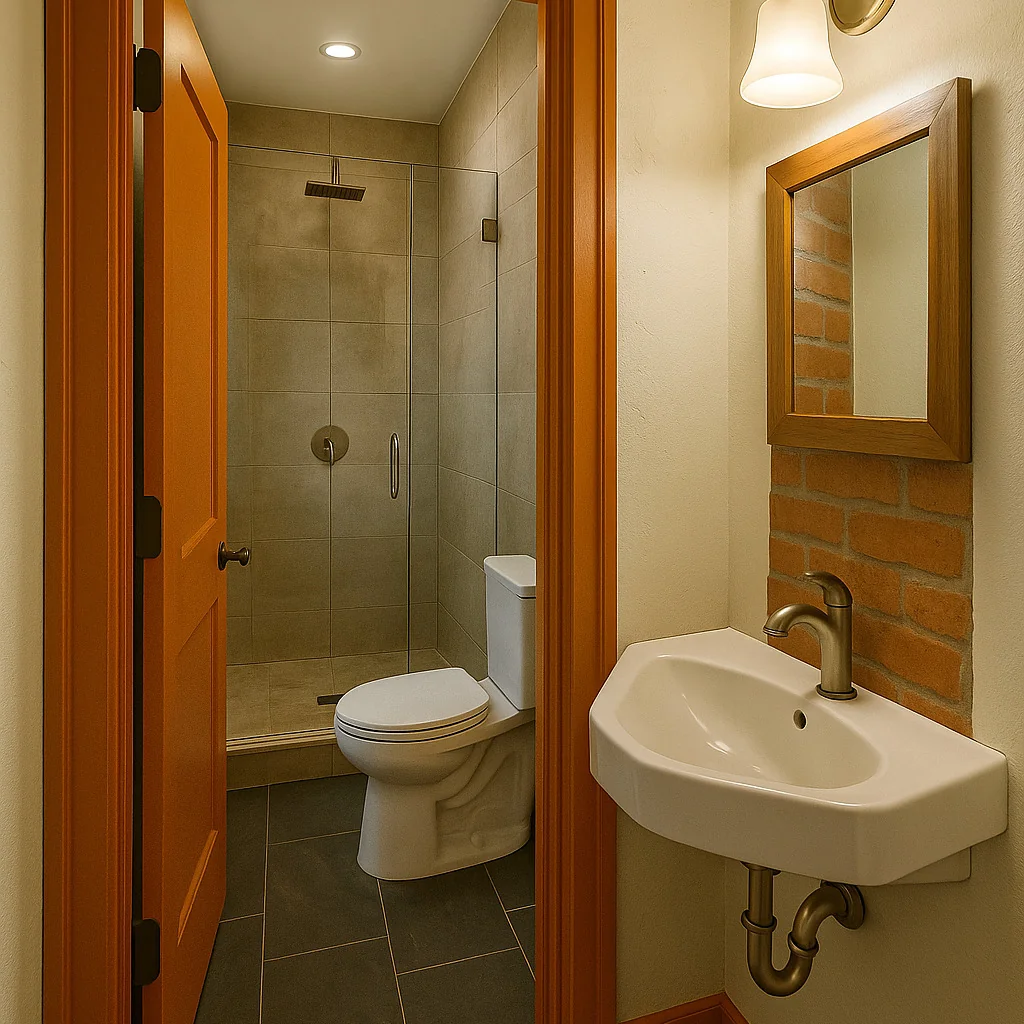
First stage: a hallway, a bathroom, and a bedroom
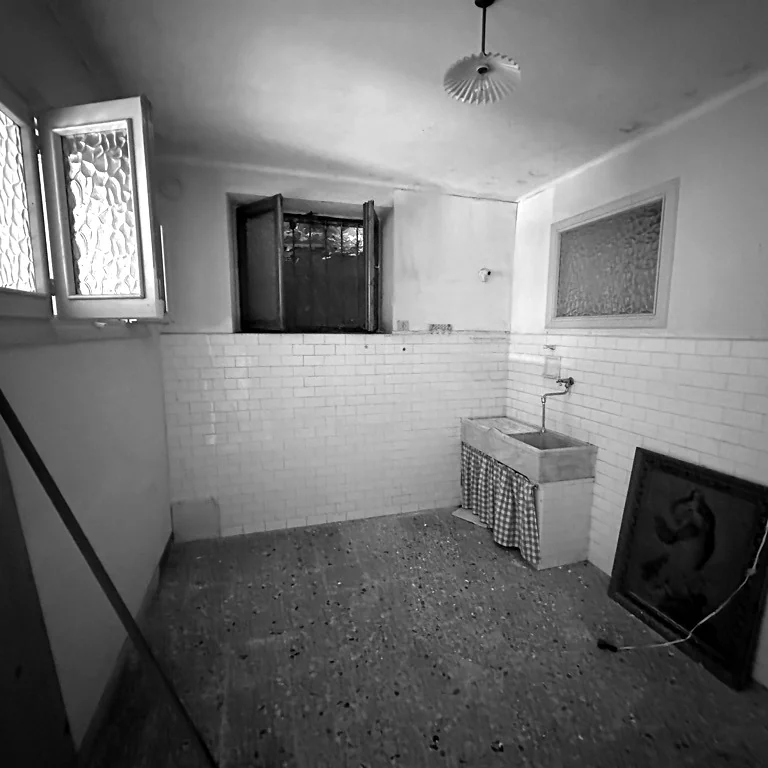
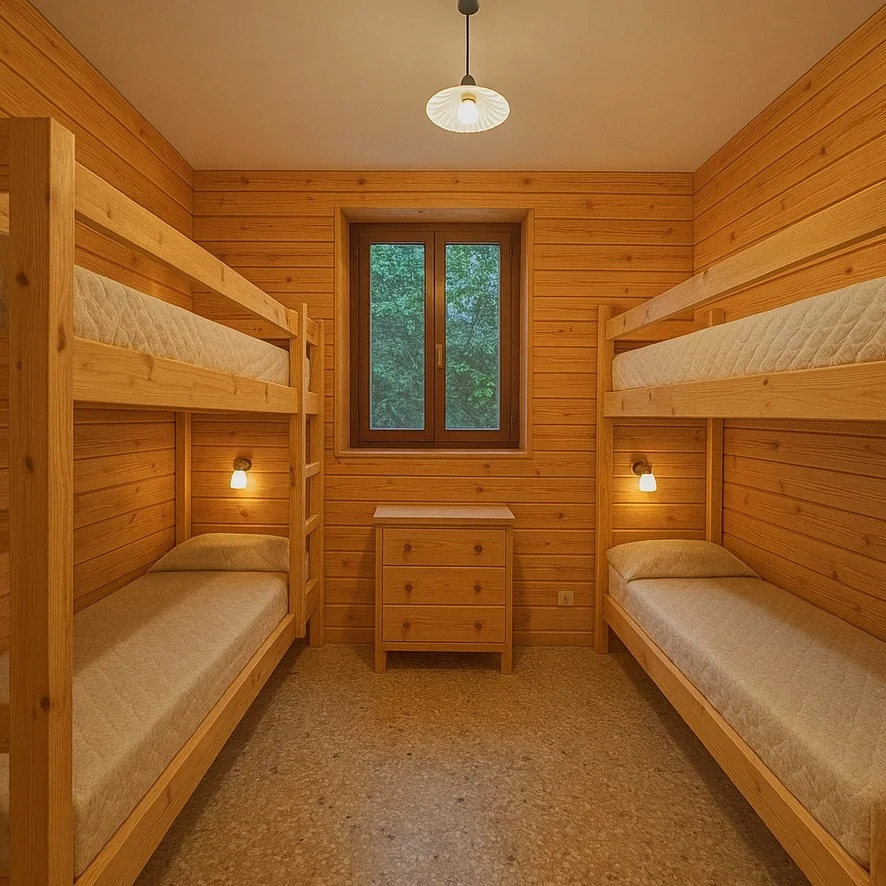
It all begins with a hallway. The first step, the first look, that moment when you come in and sense whether a place has a soul. Then comes the bathroom: a sacred place. It must work, smell good, reassure. It must tell you: you have arrived, relax. Finally, the first room. Four beds. Not many, but enough for the first stories to begin — four people who came together or who do not know each other and, perhaps, find themselves talking in the evening with the lights out.
It is a beginning, and like every beginning, it is small but full of possibility. The first phase of CaRina is this: to create the minimum skeleton to start welcoming. An entrance that invites, a bathroom that pampers, a room that holds you. Then more bedrooms will follow, until twelve or fourteen people can stay: a small group that will never be a crowd, but a temporary community.
We are not building a hotel, but a place to be well. And every metre renovated, every tile laid, every bed assembled is already life coming in.
Second stage: living area and dining room
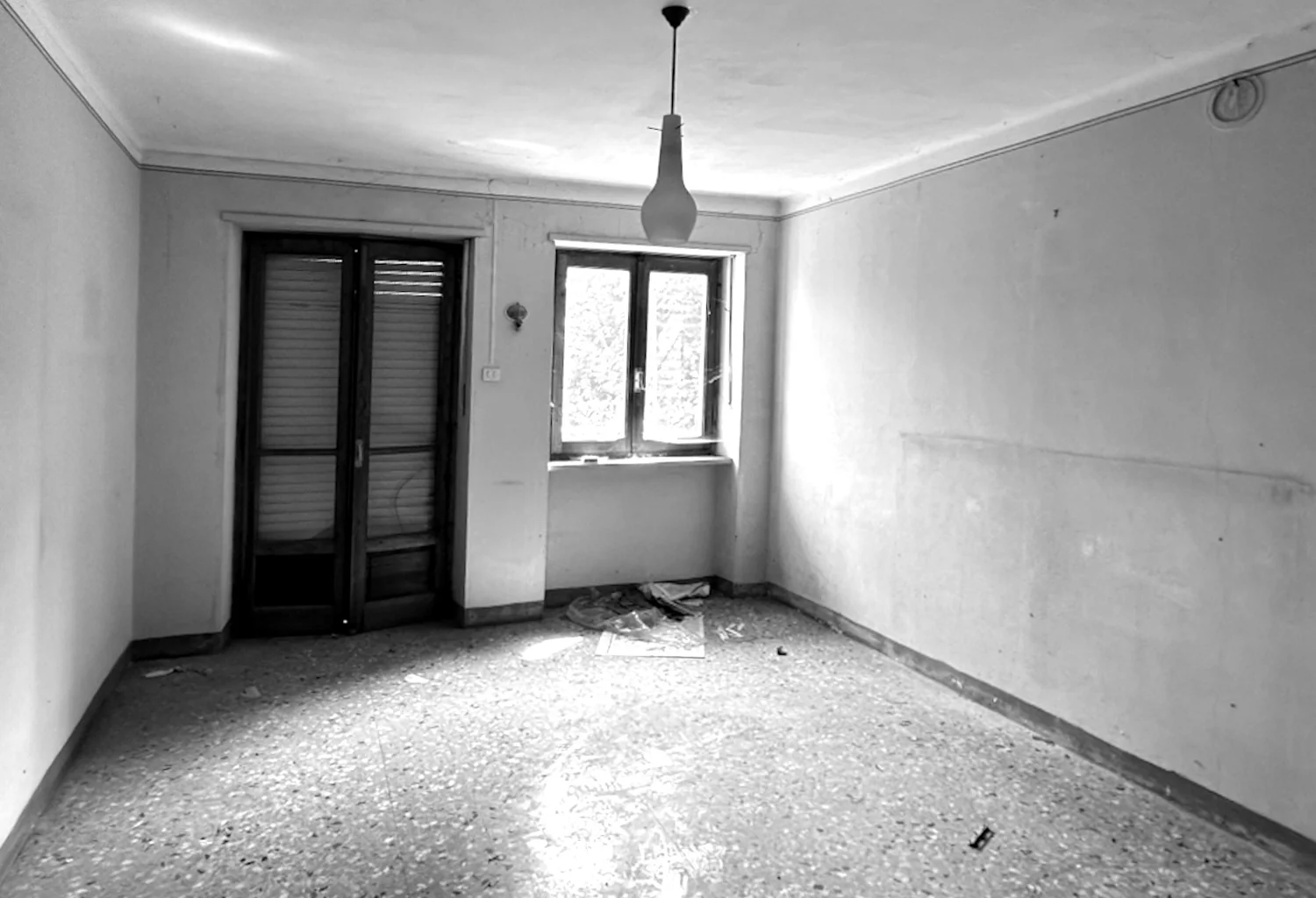
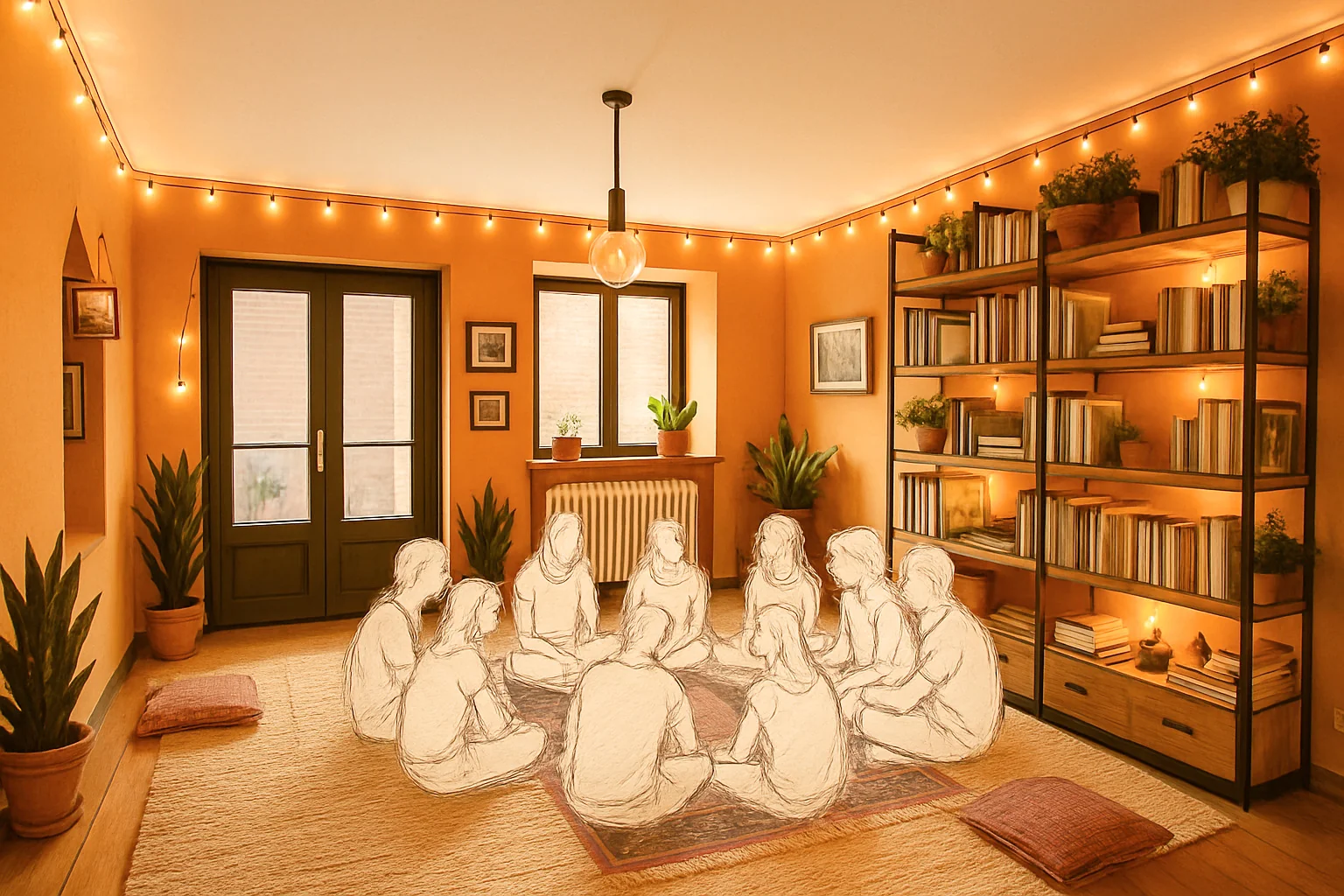
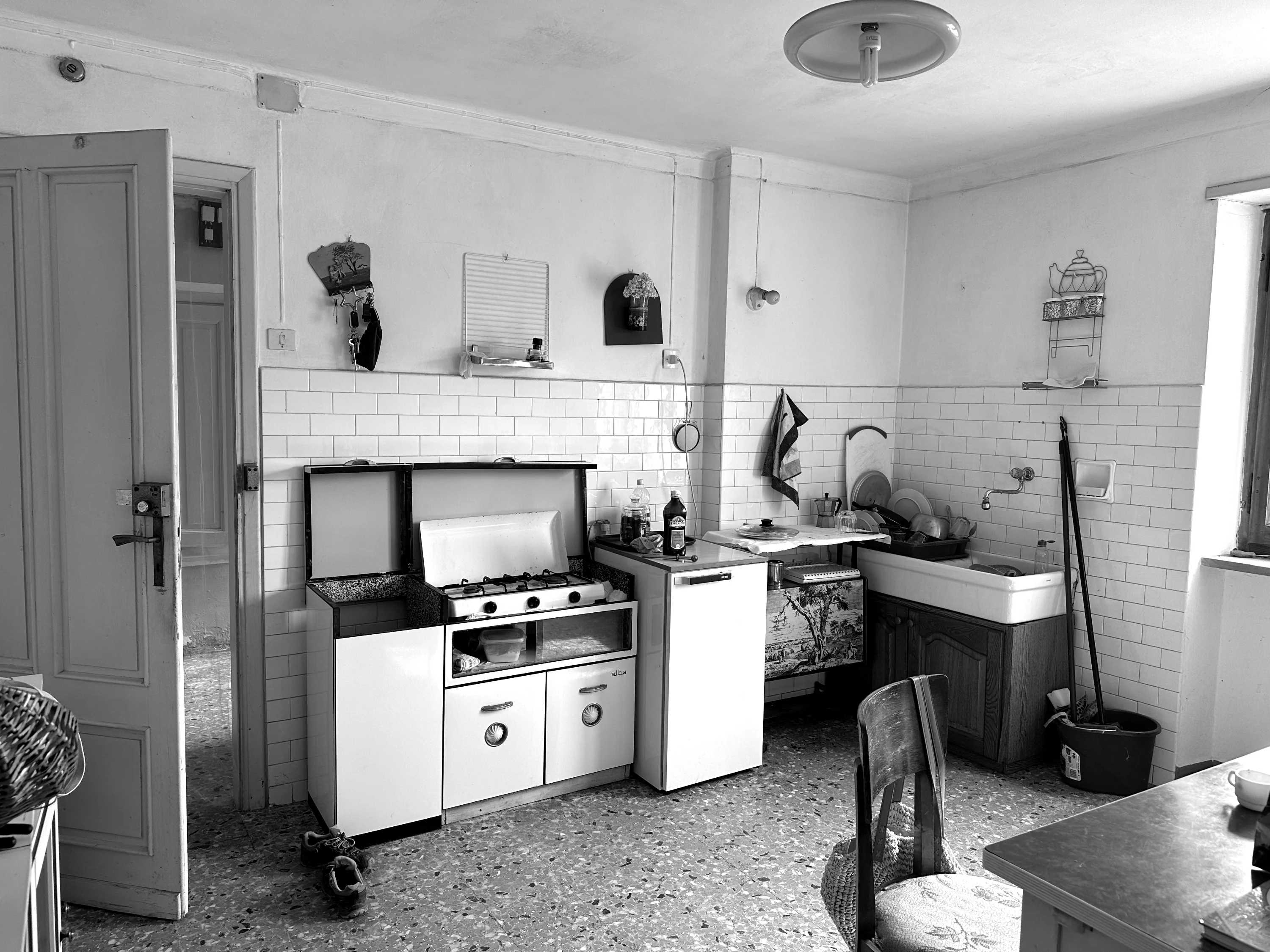
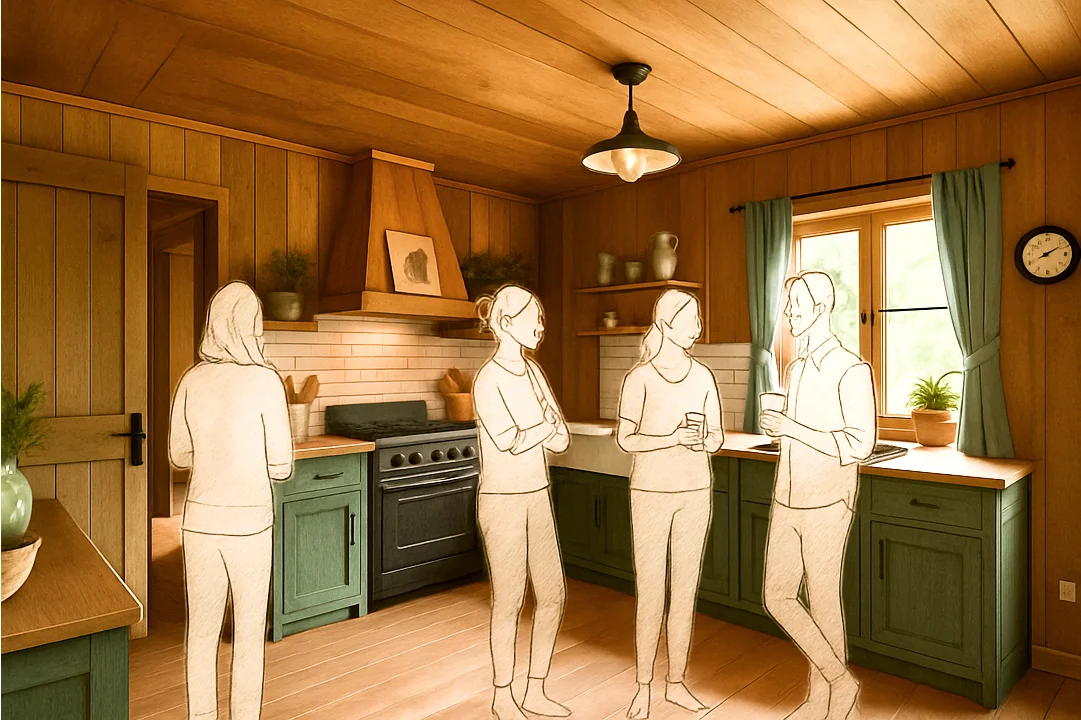
The second stage is when the house begins to speak. Here you do not only sleep: here you stay. You cook, you talk, you read half-worn books others have left behind, you share the leftover coffee, you open a bottle with whoever is there. The living area and dining room are the beating heart of CaRina. They do not need to be large, but they must be real. A sofa awkward in just the right way, a window to watch time pass, a large table that has seen much and will see more. This is where people meet, even when they have nothing to say to each other. And then they find something to say. With the second stage, CaRina stops being only "a place to sleep" and becomes "a place to stay a little longer". And perhaps to return.
Third stage: a vegetable garden, a pergola, and a barbecue
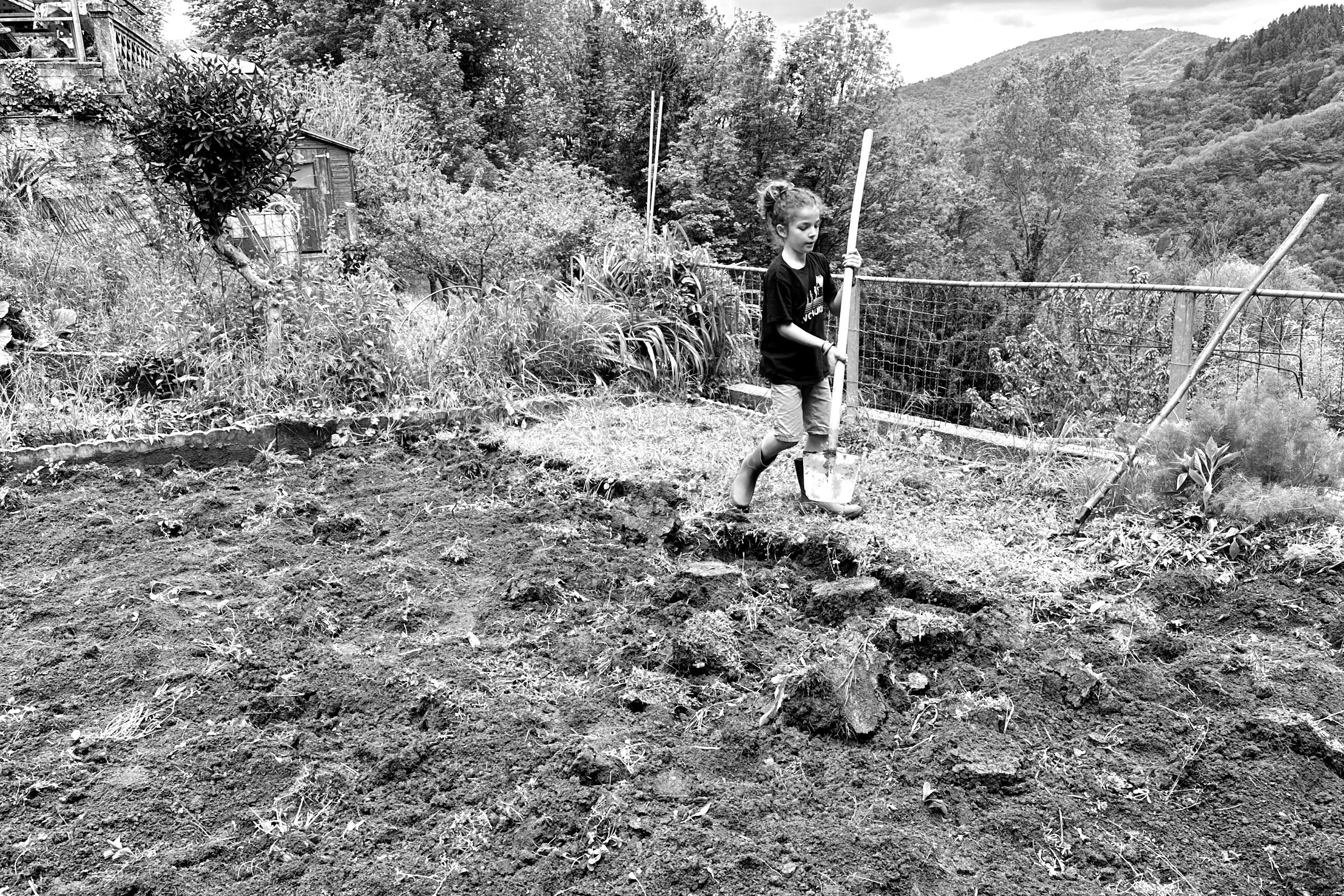
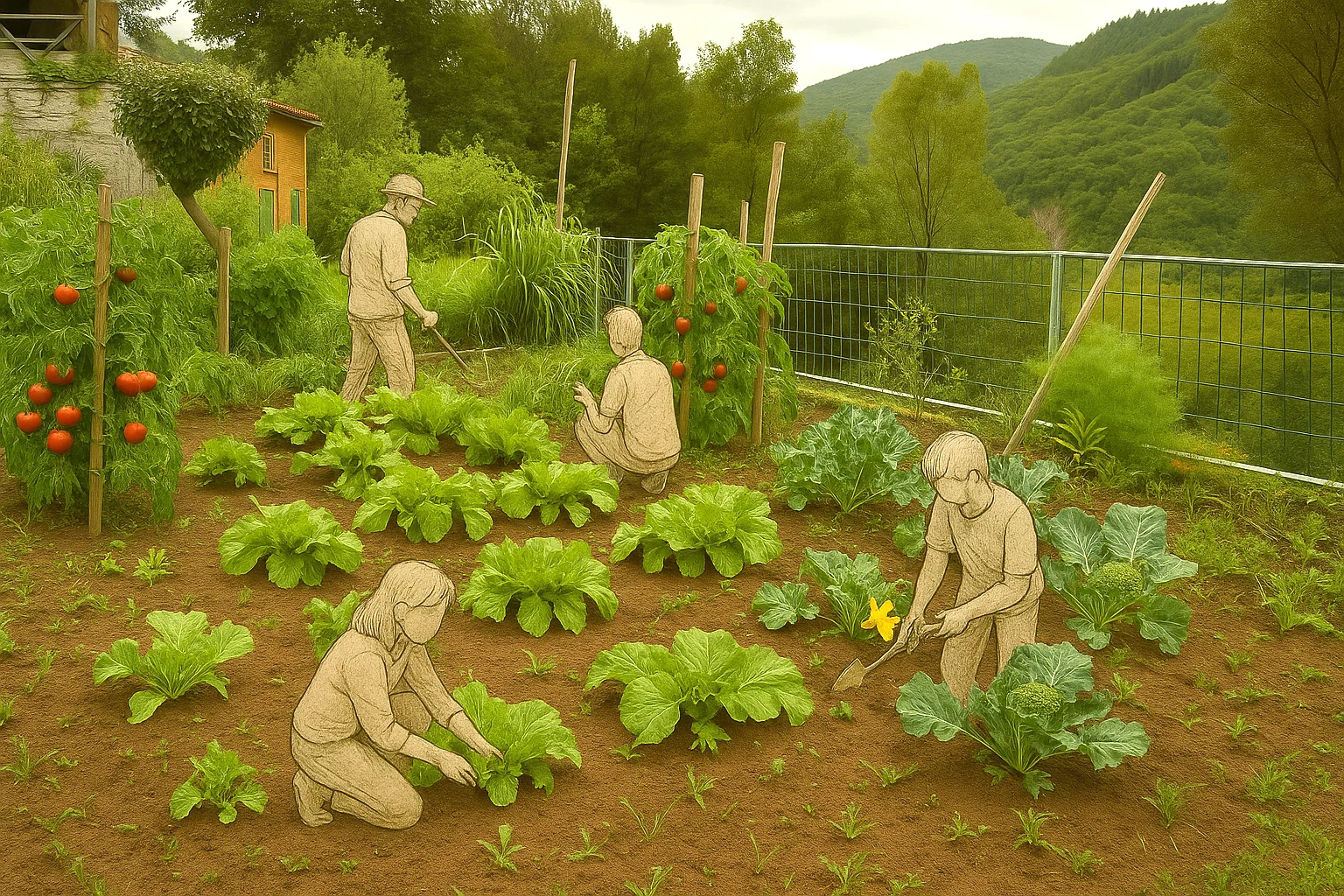
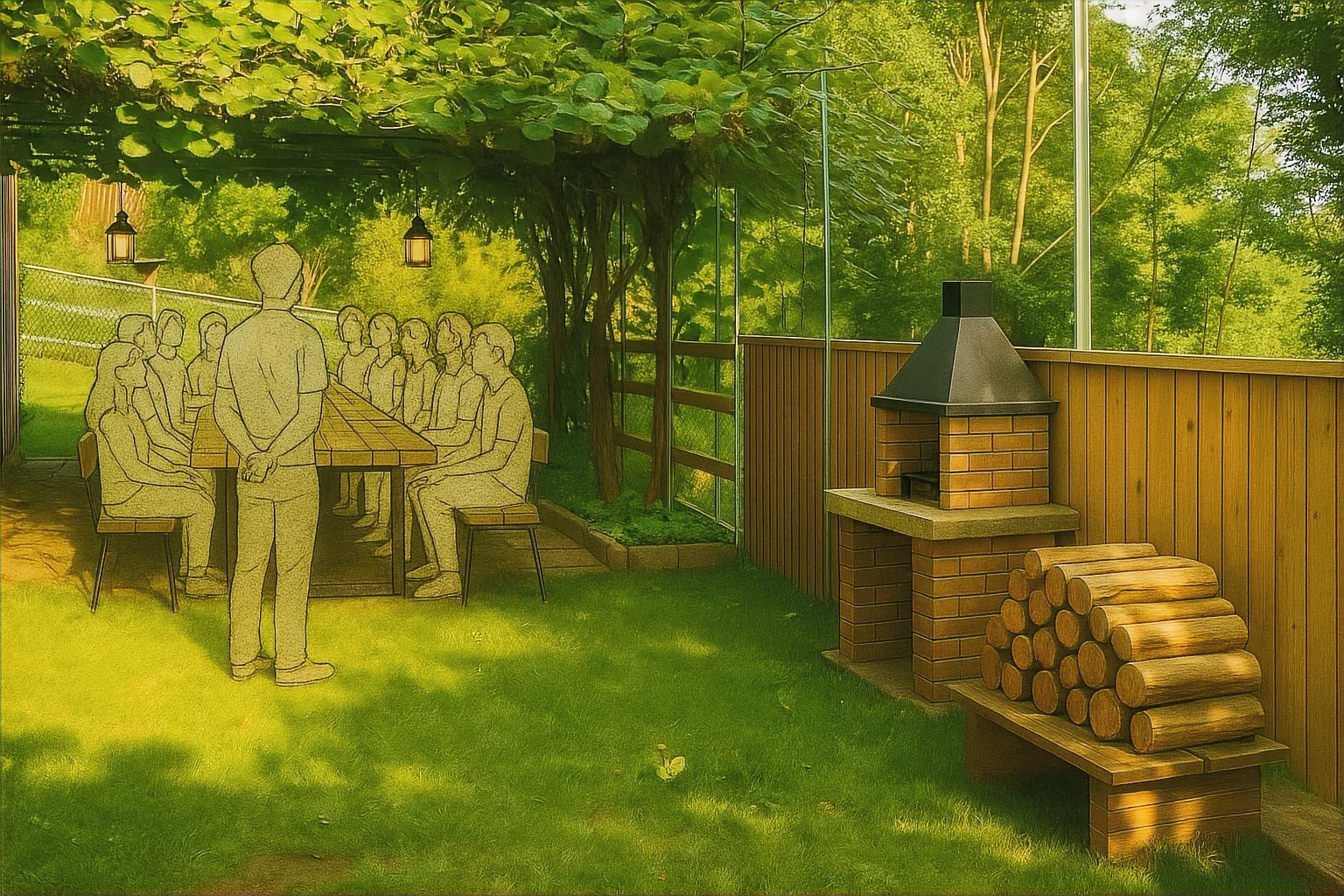
The third stage is when you go outside. The vegetable garden takes shape, the pergola fills with shade and possibility, and a barbecue begins to promise long evenings, slow conversation, and good smells. It is the moment when the house stops ending at the front door and opens outward — toward earth, green, air. You do not need much: a few plants, a comfortable chair, a corner to be. Yet in these simple spaces anything can happen: a last-minute lunch, a starry night, a conversation that changes the feel of the day. The third stage does not only add square metres: it adds life lived outdoors, and an invitation to stay a little longer.
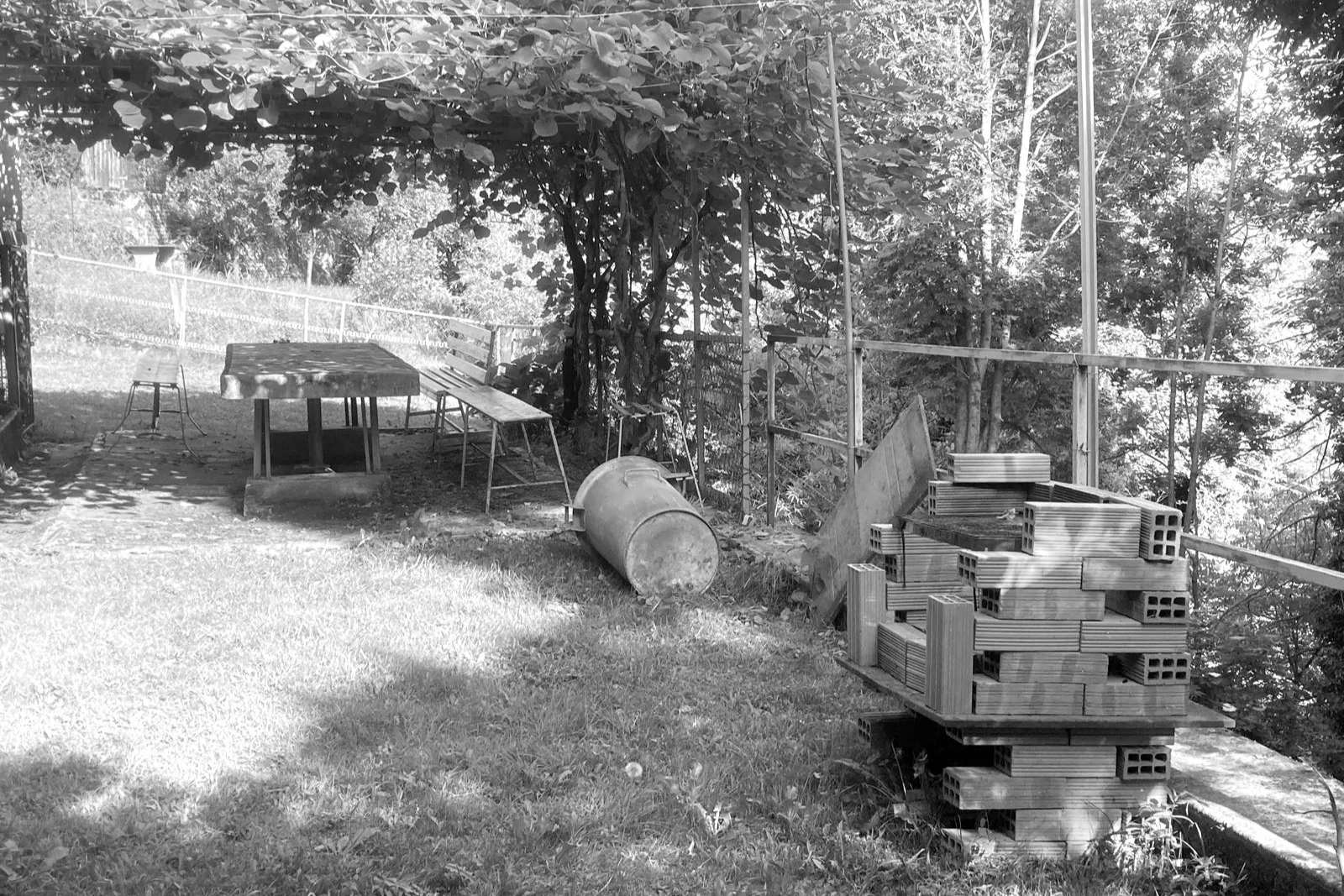
Fourth stage: beyond the essentials…
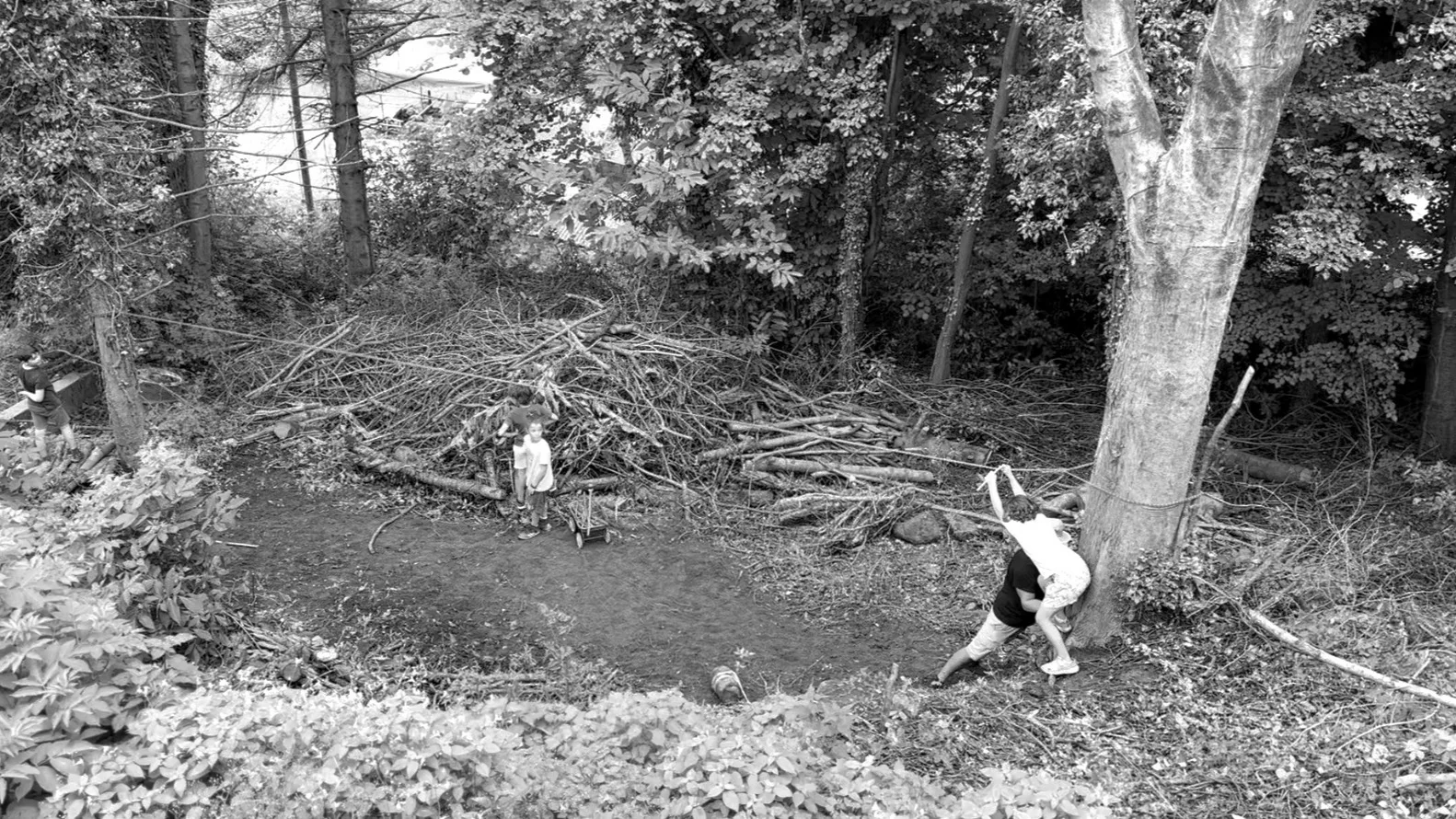
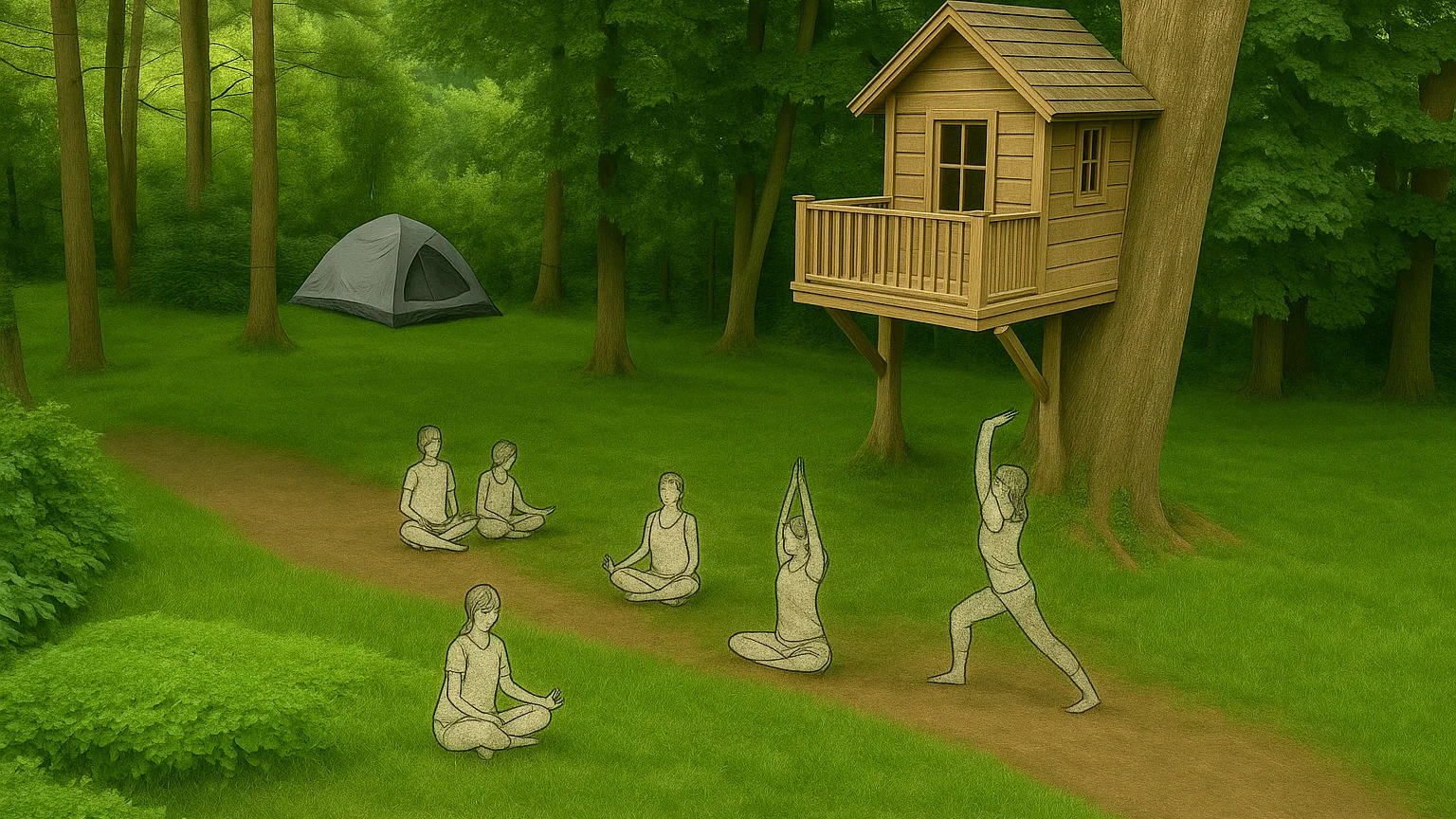
This stage is for those who still want to dream before going back inside the walls. A small tended woodland to walk through slowly, where everything invites you to slow down. Among the trees, a suspended house — not only for children, but for anyone who wants to see the world from another height. Further on, tents hung among the branches, light as summer ideas, perfect for those seeking silence, good air, and a different night. Here there are no walls, but leaves. No beds, but hammocks swaying gently. It is the freest stage. The one where CaRina stops being only a house — and becomes a small world to explore.
The craft workshops, the bike workshop, and the laundry
Beyond the areas dedicated to hospitality, we are designing spaces for practical and creative workshops — small co-managed workshops where people can build, repair, and experiment. Spaces where hands-on work, encounter, and collaboration can find a home. Alongside these, essential services are also planned, such as laundry rooms, storage, and areas for sharing tools and resources: everything it takes to live and to let others live simply, efficiently, and together.
Shared spaces are meant to be versatile, accessible, and co-curated by those who live in them. Not only pass-through places, but places that generate possibility.
The last phase: a house that is enough unto itself.
The first four phases put CaRina back on its feet — the walls, the beds, the kitchen, the vegetable garden, the woods. The last phase, the quietest, takes shape slowly while the house is already alive and inhabited, and leads CaRina to become off-grid.
An off-grid house is one that does not depend on public networks — energy, water, gas. It produces what it consumes and returns to the earth what it no longer needs.
It is not a simple path. It is an attempt: to stay within what is enough, without asking for more. It is the most ambitious phase, the one in which the possible makes its way toward the thinkable.
You start from simple things. A system to collect rainwater and irrigate the vegetable garden. A small composting setup that closes the loop of what you eat. Then, step by step, solar thermal — hot water from the sun, as it has always been — and photovoltaics, with batteries that charge by day and release by night. Finally, a system to treat grey water and return it to the soil.
It is not an ideological plan. It is the natural extension of what CaRina already is: a place that tries to do things with more honesty. Hosting without waste. Being in a wood without using it up. Using what is there without taking more than you need.